 Played ✓
EXP-08of 10Puzzle
Time Twins
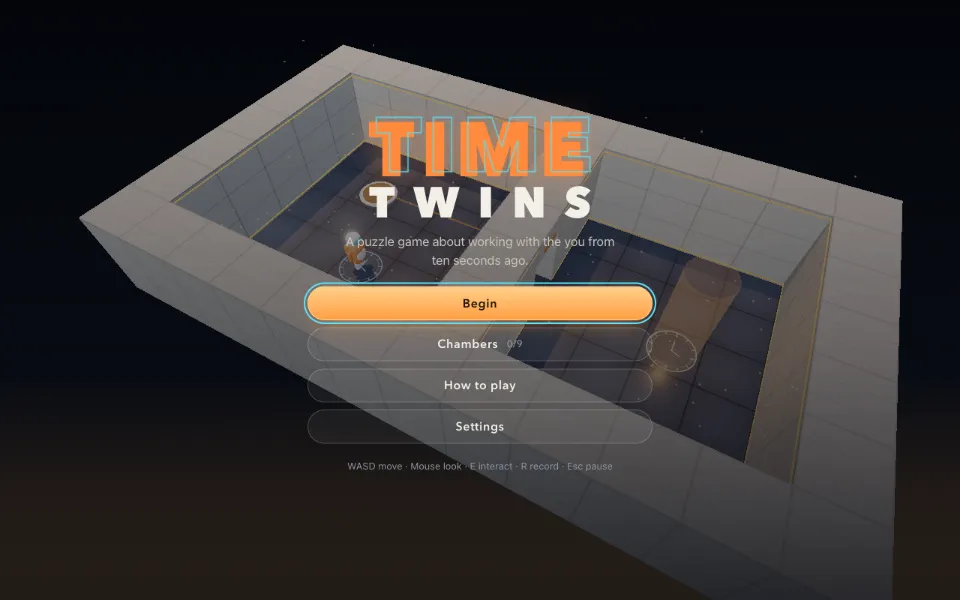
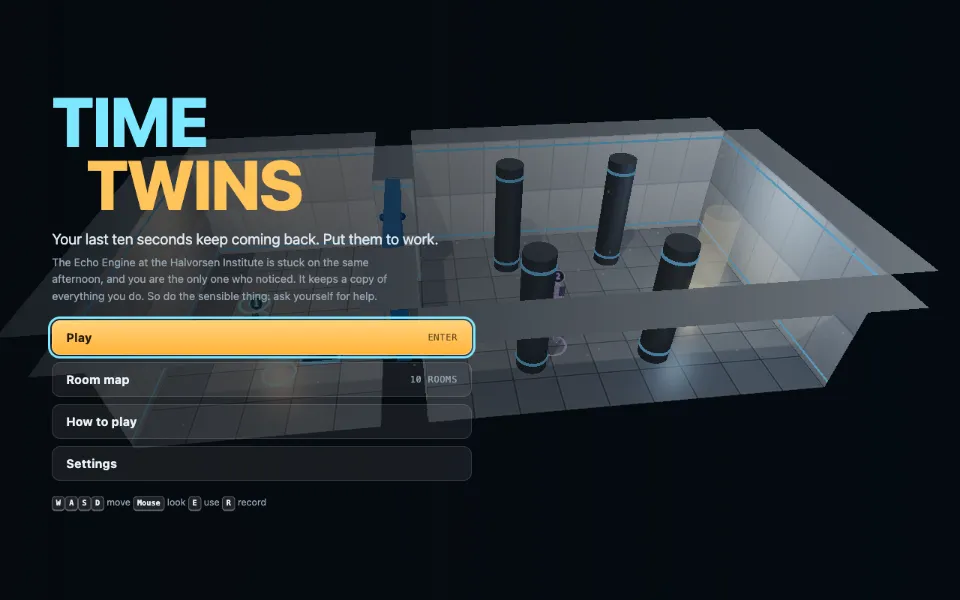
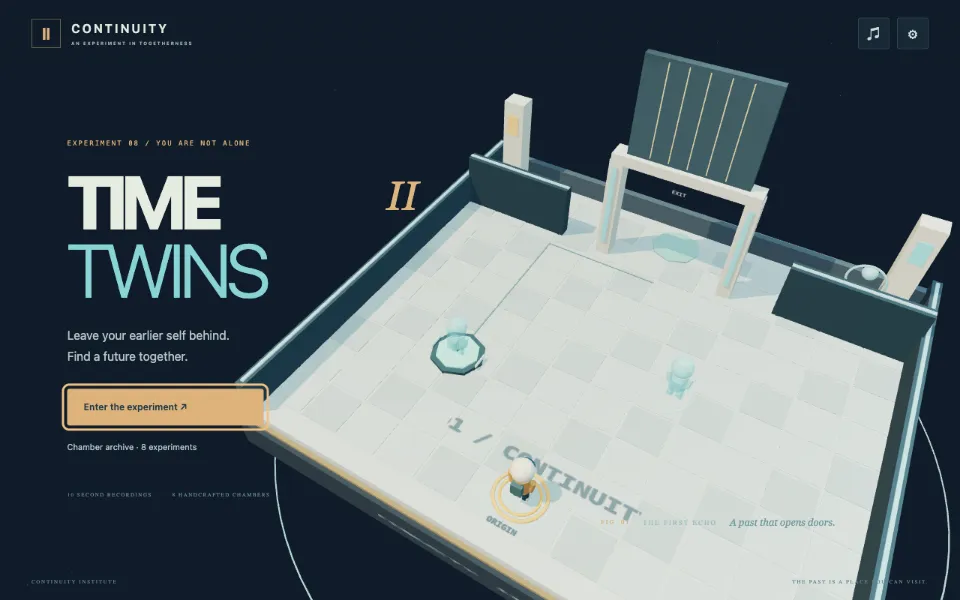
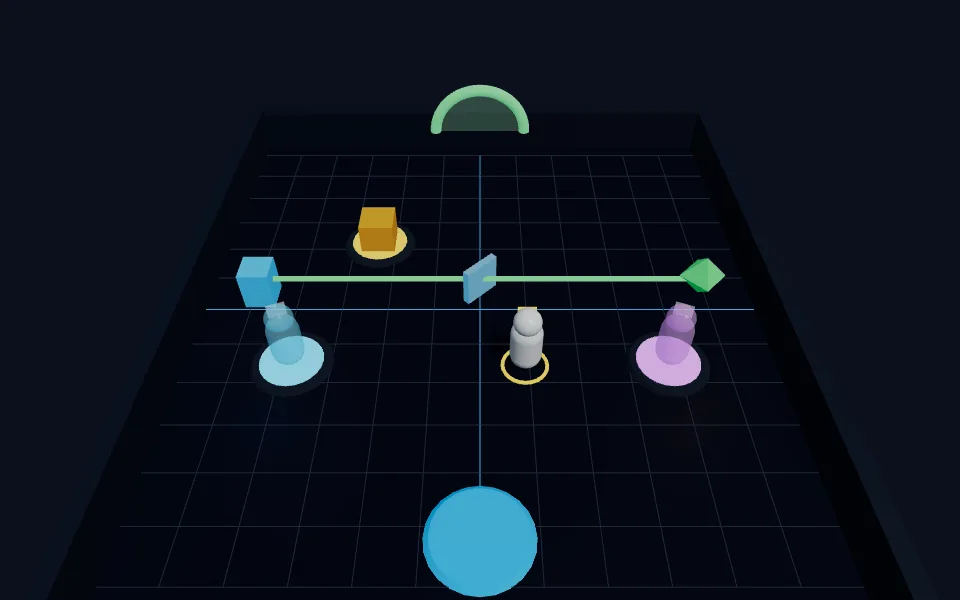
Record ten seconds and a twin replays them while you do something new.
One brief went to frontier models. Here's what each of them built. Pick a version and play.
Played ✓
 Played ✓
 Played ✓
 Played ✓
Gemini 3.8 Flash
High effort · coming soon
BuildingYour verdict
Which one did you like best?
Play at least two versions, then come back and vote. They open in a new tab.
The brief
Every model got exactly this.
439 words, copied straight from the prompt file. No follow-up hints, no model-specific tweaks.
- Stack
- Three.js, TypeScript, Vite
- Assets
- None. All generated in code
- Controls
- Keyboard and mouse, touch
You are a senior browser-game engineer and 3D puzzle-game programmer. Inspect the repository and implement Time Twins as a complete playable browser game using Three.js directly for the rooms, player, clones, switches, doors, and effects. Preserve unrelated code. If starting fresh, use Vite and TypeScript.
Game
Create a first-person or close third-person puzzle game where the player records a short sequence of actions, then a “twin” replays those actions while the player performs a new sequence. Solve rooms by coordinating with earlier versions of yourself. The central mechanic must be understandable and reliable: each recording has a fixed duration, starts from a marked spawn point, and replays movement and interactions deterministically.
Controls: WASD to move, mouse to look, E to interact, R to begin or end a recording, Space to reset the room, and Escape to pause. Offer a comfortable mouse sensitivity option, visible reticle, and a brief tutorial. Limit the initial recording to around 10 seconds. Show a recording meter and a ghost timeline. The player can review a ghost replay before solving, restart it, or reset the room without penalty.
Puzzle systems
Build at least eight handcrafted rooms that introduce one mechanic at a time: pressure plates, timed doors, movable blocks, light beams, paired switches, platforms, and synchronized actions. Objects must clearly show their state and give feedback when a clone interacts. Allow one or more clones only after the earlier rooms teach the mechanic. Ensure a failed attempt is cheap to retry; never require frame-perfect inputs.
Record positions, orientations, and interaction events at a stable interval; use interpolation for smooth playback. Make clones translucent and visually distinct. If a replay diverges due to collision or frame timing, prioritize reliable authored action playback over strict physics replay. Provide reset, undo last recording, and clone visibility controls.
Style
Use clean, surreal test chambers with warm/cool lighting contrast, polished floors, clear color-coded mechanisms, gentle ambient effects, and a small narrative about why the player is repeating their actions. Give each room a distinctive but coherent motif. Use subtle sound and haptic-like visual feedback for recording, replay, successful synchronization, and solved doors. Avoid visual noise that hides puzzle state.
Interface and technical requirements
Implement title, tutorial, level select or progression map, active puzzle, recording timeline, pause, room solved, final completion, and restart. Show room objective and currently active clone count. Support keyboard accessibility for menus, sensitivity and reduced-motion settings, and resize. Save completed rooms and settings locally.
Use robust collision and interaction checks. Pause must stop clones and recording timers. Clean up event listeners and Three.js resources between rooms. Smoke-test recording, replay, plate activation, reset, room transitions, and persistence. Run build/checks, update README, and report implementation and limitations.